
Monkey wisdom
A jungle contemplation

I recently revisited Costa Rica for the first time in 16 years. The country has a lot to love: a sustainable ecotourism economy; breathtaking biodiversity; no army (investing instead in education, healthcare, and environmental protection); empowered bathroom signage.
The trip was also my first real vacation since my Loved One’s stroke two years ago.1
I retreated to the jungle intending to step away from my responsibilities as much as possible, putting measures in place so that my Loved One would be checked in on by another family member daily. I made contingency plans, and double-triple-quadruple-checked to make sure everyone involved was on the same page before I left.
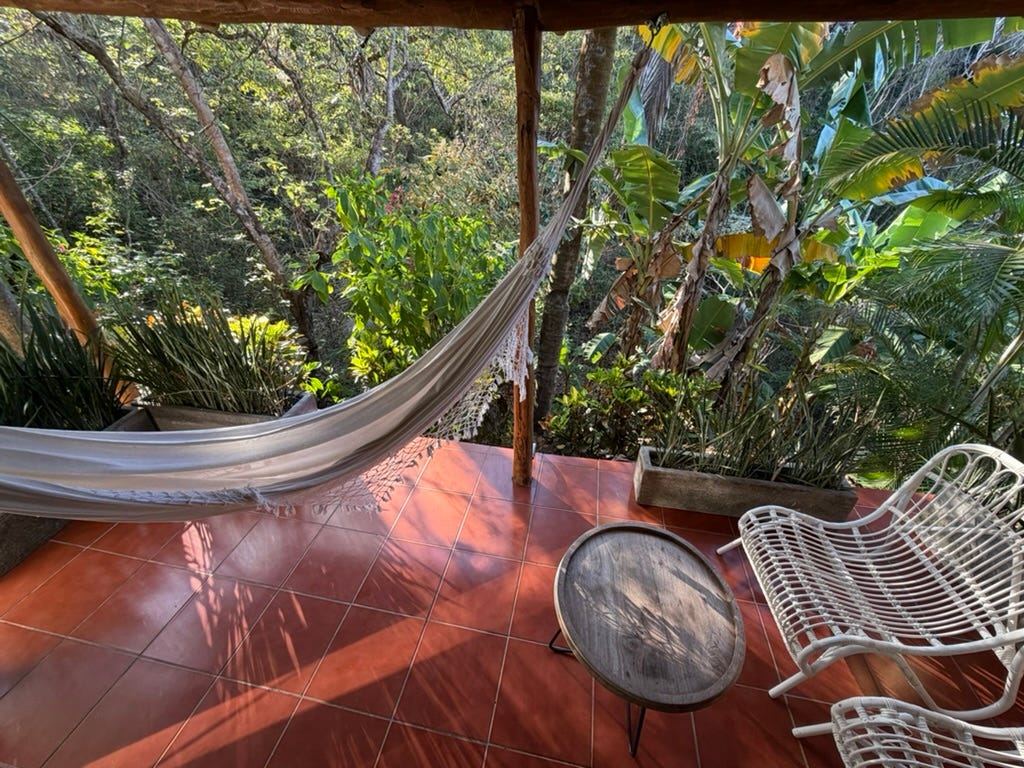
Hammock time
Upon arrival, I spend as much time as I can staring at the jungle, practicing a meditation technique I learned from my partner, from the version called staring at the desert.
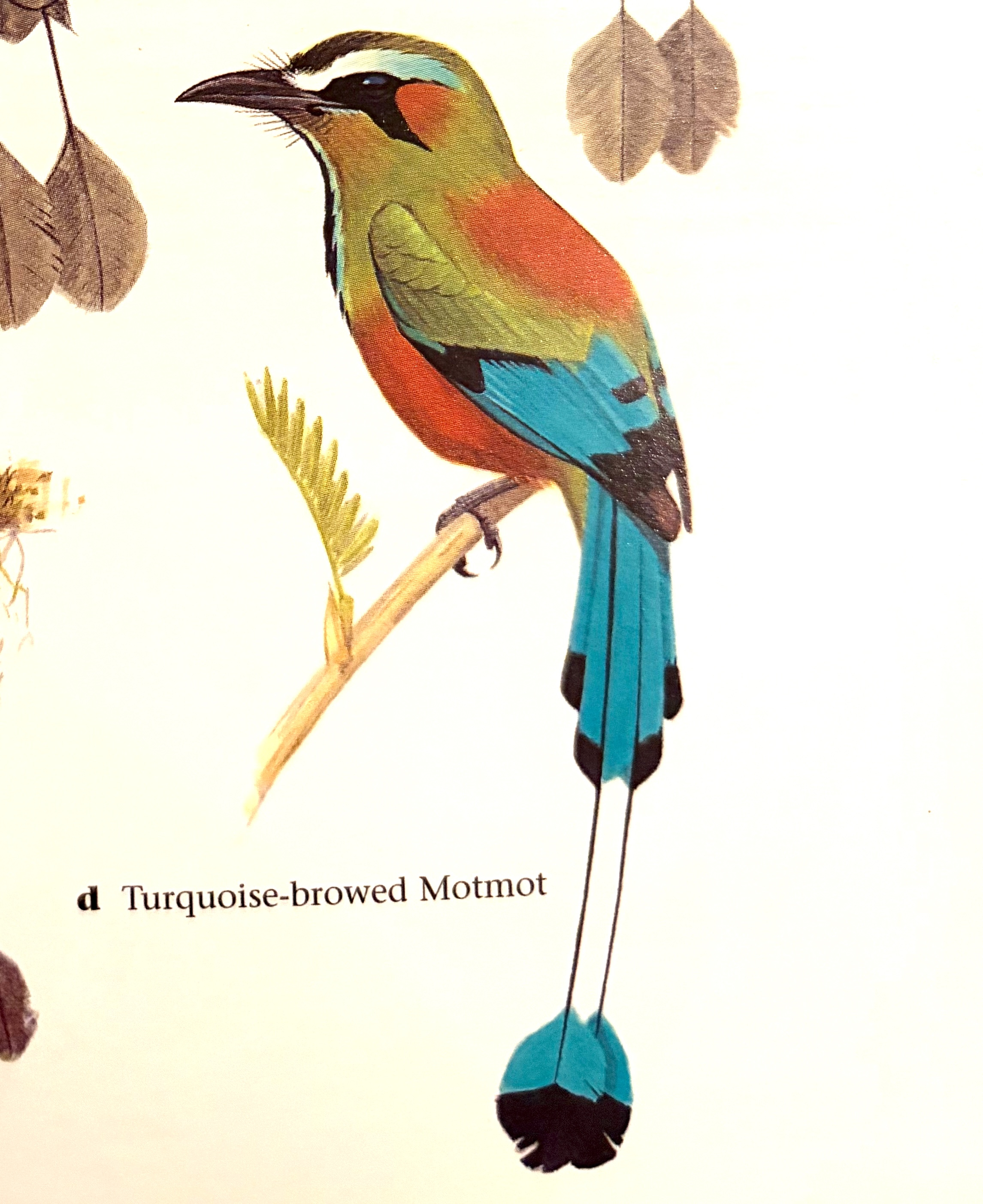
I lie in my hammock, long and still in the heat. So much biodiversity calls Costa Rica home that animals are always coming by, rustling in the leaf litter on the forest floor or rattling the branches: agouti, iguana, turquoise-browed motmot.2
As often happens when I try to relax, I meet a familiar feeling of resistance: mentally, I want and need to make the most of the precious recovery time I’ve carved out so carefully. But my body has other plans. I feel it pushing back, as if to say, Is this safe?
Strange symptoms begin to appear, along with the chronic ones I always carry. My shoulders seem permanently lodged up next to my ears because my body is conditioned to brace itself for the next blow. There was a time when the blows were physical; now, the mental and emotional variety show up just often enough to make the bracing feel justified.
After some time in the hammock one afternoon, I get up and rinse off in the shower, which either doesn’t have hot water or I simply haven’t figured out how to work the faucet yet. I don’t mind, either way: it’s so hot out, warm water isn’t necessary.
I hear the unmistakable, ethereal growl of a howler monkey rumble through the jungle. Still wrapped in my towel, I walk out to the porch and see them just outside. A pair of small, sinewy youngsters hangs upside down, assisted by their prehensile tails, plucking small fruits from a cluster on a branch.
An older, larger one moves slowly and intentionally on its own, appearing to glide. Suddenly, it leaps horizontally and plops down, belly to bark, legs dangling. The movement is so emphatic, so comfortable, so confident, I chuckle out loud. Fortunately they ignore me, probably accustomed to the loud, smelly, hair-impoverished ground primates loitering in their territory every day.
I’m almost in tears now, struck by the way this monkey fully embraces its birthright to plop its belly down without hesitation on a branch after a snack. It doesn’t stay long. It doesn’t take a nap like I think it will; it just moves on to another part of the canopy—climbing, hanging, sitting, scratching, nibbling.
One of them softly chortles in what I can only assume is pleasure as it eats.
All of the monkeys’ movement is graceful, but also startling: they briskly leap from one branch to another, falling through the canopy, until one of their limbs catches another branch or vine.
I hold my breath, afraid for them: How do they know they aren’t going to fall all the way to the forest floor?
How does one acquire that kind of trust?
Perhaps it’s something more akin to faith?
I feel wholly unqualified to answer this question.
War and trust
This week, just as I was pondering the difference between trust and faith, I came across this passage in Thin Places3, a book that is holding me in uncertain times like a hammock:
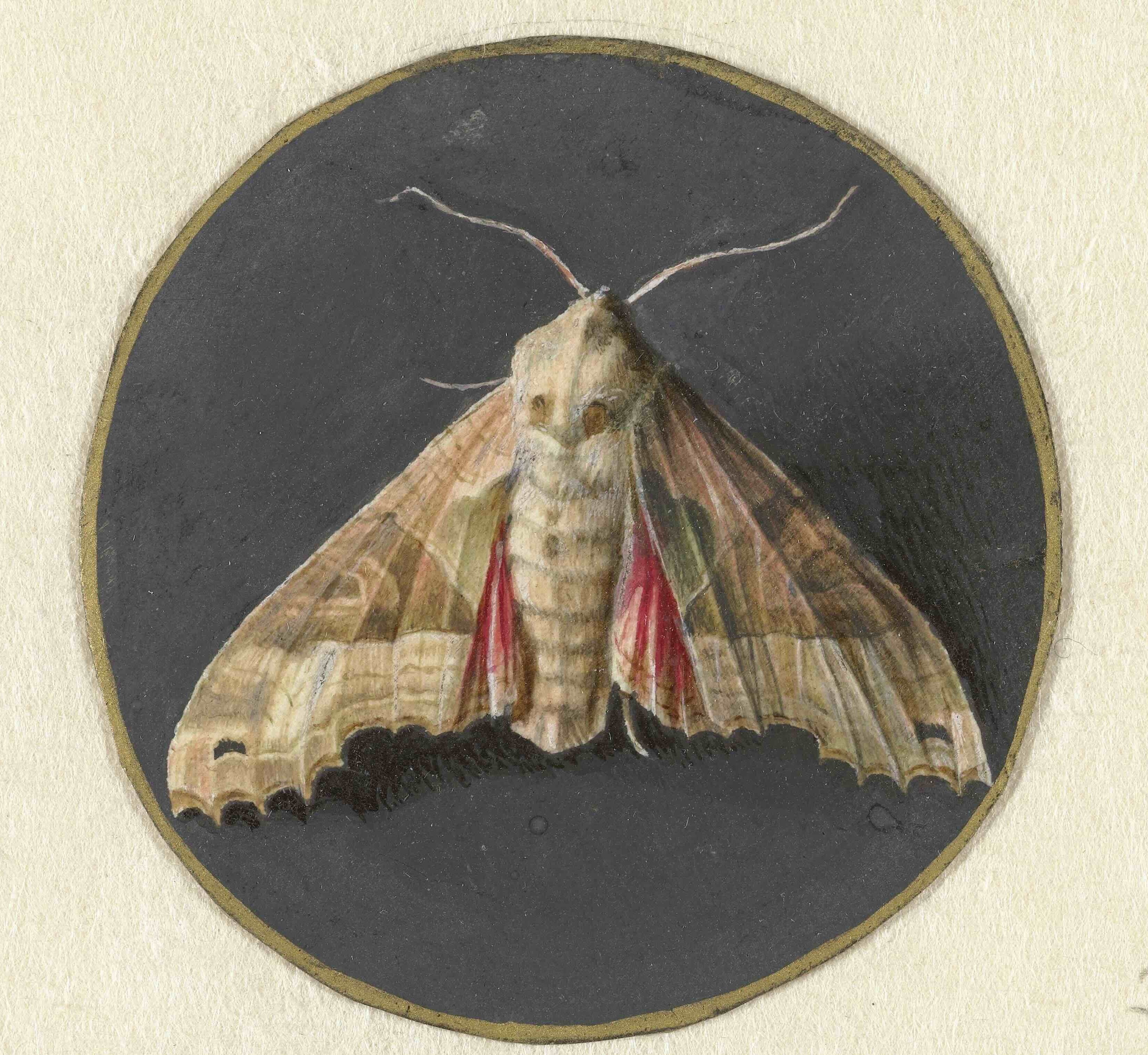
We may never know of the bargains and sacrifices made, of the leaps of something—something unthinkable—that were taken. Leaps of something that feels much stronger, even, than sheer ‘faith’. That border has seen it all – every last trace of the violence, bloodshed, silence, trust – the peace that has been carefully and sensitively shaped. A peace as delicate as the wings of a moth.
Kerri ní Dochartaigh is writing of the peace process in the North of Ireland, but her words span oceans, rivers, straits.
I find it difficult to write or think about anything these days without the pall of war draped over it.
Even while watching howler monkeys in the jungle.
The monkey’s belly-plop had me wondering: I would venture to guess that they don’t spend much of their time worrying about what to do next.
Jiddu Krishnamurti once told our mutual friend Ravi Ravindra, who paraphrases him often, “A rose doesn’t choose to smell like a rose; the scent just oozes out of it, because that is its nature.”4
Monkeys plop and nibble and scratch because that is their nature.
It begs the question, then: what is our nature? (Besides our own version of nibble-plop-scratching). One need only look around to see what oozes out of us.
Some would argue we are hopeless warmongers driven by nothing more than our selfish genes.5 Biological determinism, however, is a ridiculously poor excuse precisely because we have choices, and access to wisdom that can be our guide in choosing.
The do-nothingness of doing
The Bhagavad Gita stresses the importance of engaging in action while also releasing attachment to the outcome, or the fruits, of that action.
Easier said than done? Maybe; it depends. If I’m in fight-or-flight (or freeze/fawn) mode, it’s almost certainly more difficult. But when I’m centered, it’s clear that the pushing way is so much harder than the intuitive way.
I can do things as if I am a very important person doing a very important thing, railing against my needs and the parts of the world I detest in the process. Or, I can simply follow the next indicated thing.
This does not throw ethics and citizenship out the window. It’s as if there is a better angel of my nature, so to speak, that knows the right thing to do, even if my mind disagrees. The problem is, its voice is oh-so-subtle compared to everything else clamoring for my attention.
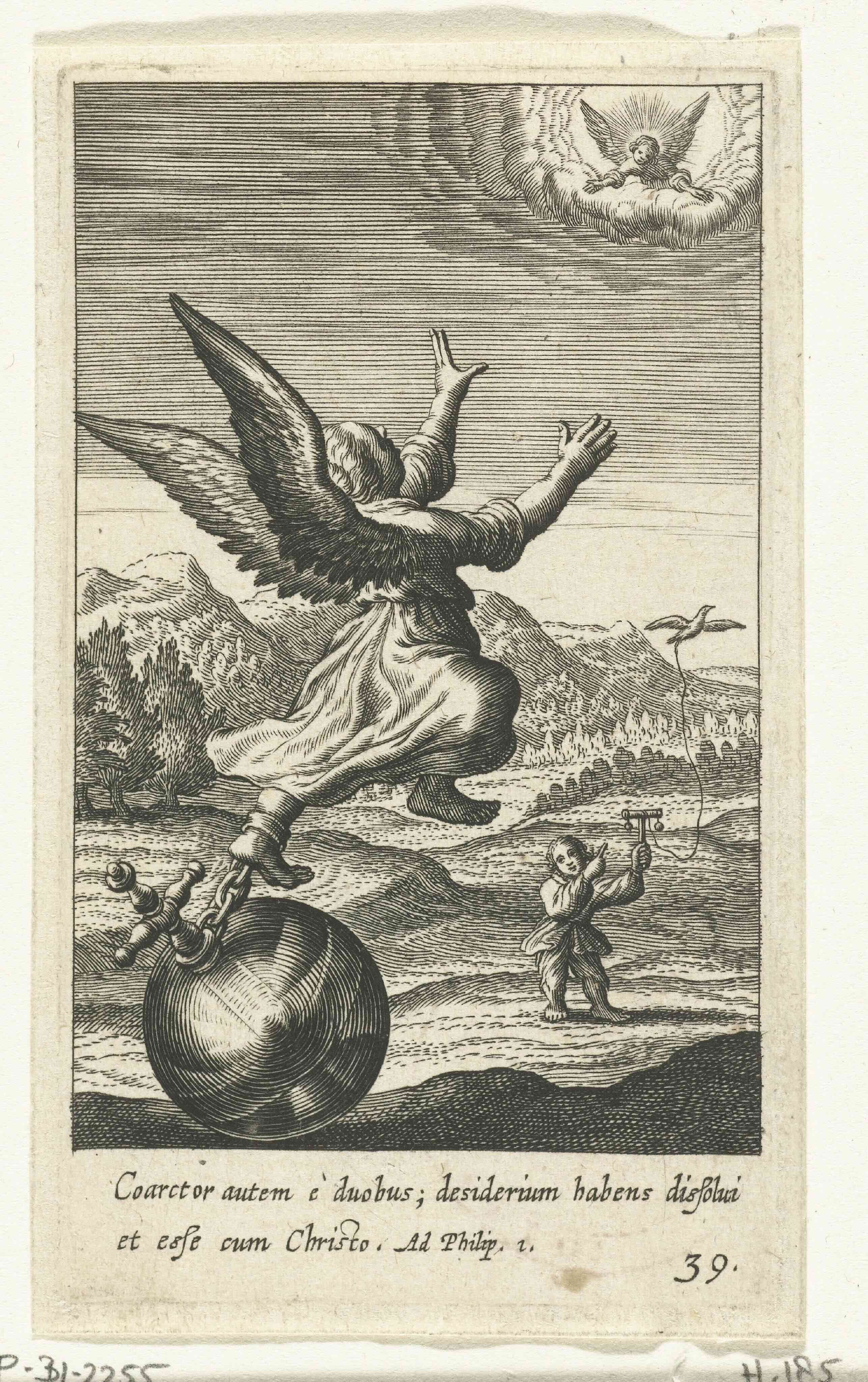
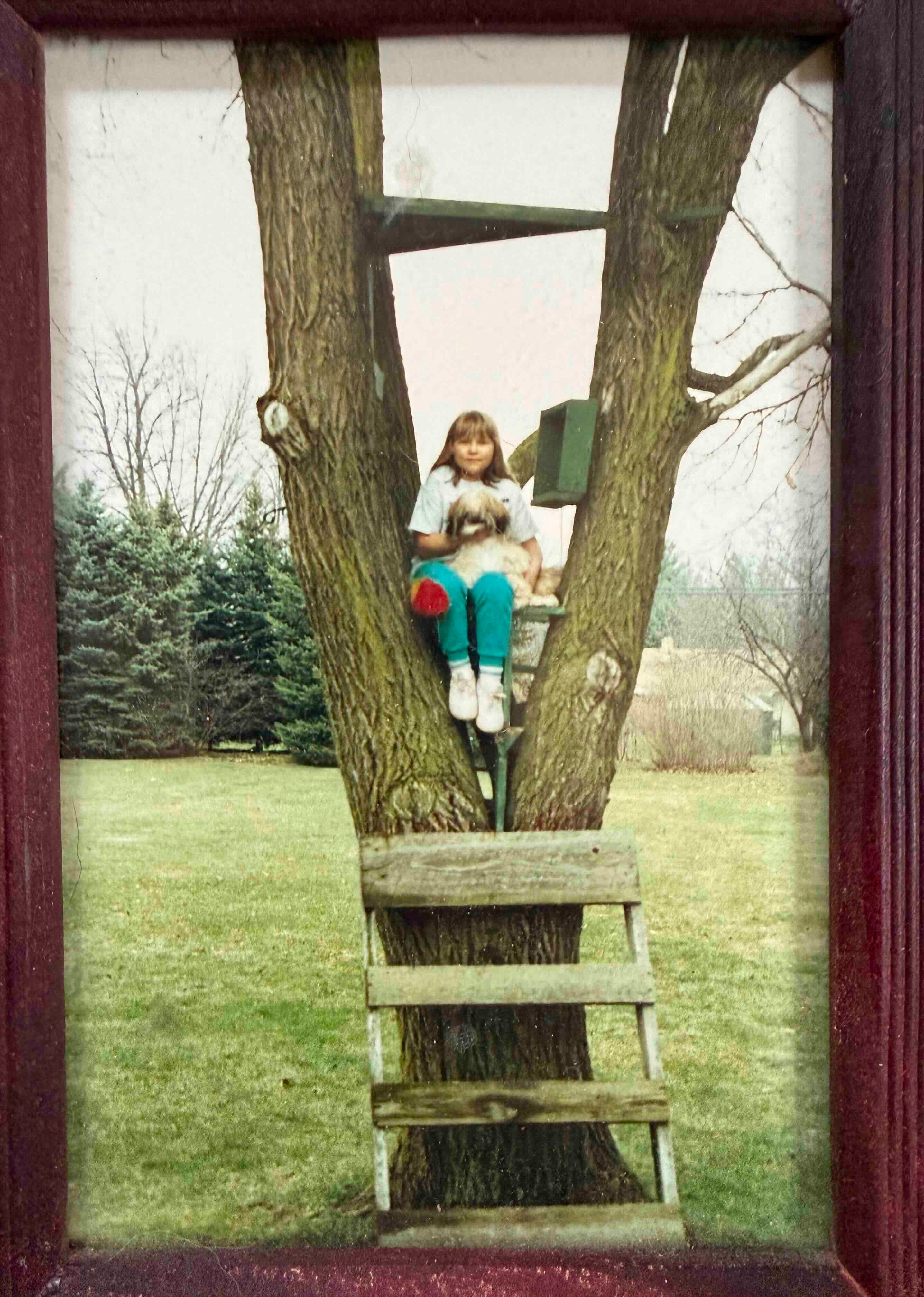
When I returned from Costa Rica, the world around me looked different. After a much-needed break, my choices felt a little wiser, more intuitive. I had a softer approach to life with my Loved One, which I stepped back into immediately. We enjoyed our time together, sharing meals and going through old photos. I felt more capable of being, rather than doing, and the daily activities of life felt more joyful and easeful.
Monkey wisdom
In all my monkey contemplations this week, I was reminded of Hanuman, the Hindu monkey god, a deity praised for the ability to couple great power with great humility.
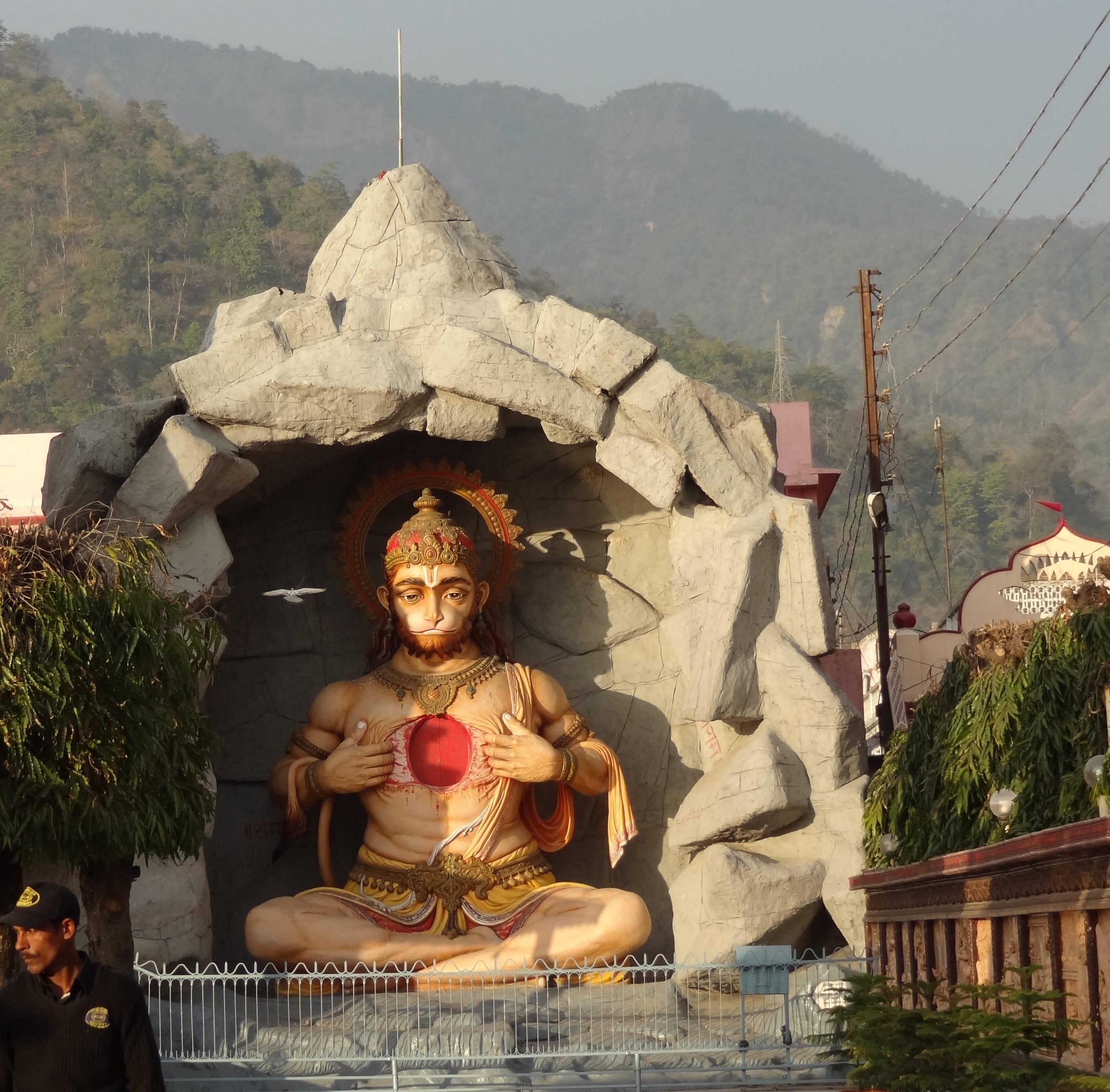
If ever there were a wisdom lesson for current global events.
Maybe howler monkeys hem and haw about where to go fruit picking each morning, how to amass a great wealth of fruits to stockpile, impoverishing others in the process.
But I doubt it.
Many idiomatic expressions about monkeys are negative or dismissive, implying they are insincere, foolish, unintelligent, inferior.
But if we take an honest look, they show us that nothing could be further from the truth.
My Loved One is the person I have been a caregiver for since their life-altering stroke in 2024. You can read more about that here.
I know it was a turquoise-browed motmot because I brought my field guide. The last time I went to the jungle, I didn’t bring my field guide, and things got weird, but in a good way.
Links to books on this page are for the Hopecology Bookshop storefront. Books purchased through this page support both Hopecology and local bookstores.
The text equivalent of this sentiment appears in Krishamurti’s Notebook as, “A lily or a rose never pretends, and its beauty is that it is what it is.”
Here I’m referring to The Selfish Gene, the 1976 book by Richard Dawkins, which at one time was compulsory reading in introductory biology courses (let’s hope it’s not anymore). It reframes all of biology and evolution as the result of individual genes’ “desire” to replicate themselves, at all costs. Temptingly elegant in its simplicity, it is problematic in its interpretation as justification for biological determinism and the oversimplification of complex biological and ecological processes. Biological determinism is widely used to discriminate against women and others. The concept seems to be experiencing a resurgence, unfortunately. Recommended reading: Sheila Greene’s Biological Determinism: Persisting Problems for the Psychology of Women. She writes: “There is no doubt about the pernicious influence of models of human nature and personhood that excessively privilege biology and which, more importantly, privilege biological theories which are permeated with socially oppressive and prejudiced assumptions.”
Love all of this and the paper! Love her articulation of the theory mansplaining what it already assumes. Such a silly circular loop. We are adaptive beings on evolutionary paths. Your evolutionary path, my dearest, is gorgeous.
I haven't been to Costa Rica, but while reading this post, I noticed myself becoming relaxed, as if I were there, and doing nothing but being in that moment. Evocative and calming. I recently re-read the Bhagavat Gita, and I know I will again. I look to these ancient texts to get through this hanging existential dread. Getting closer to yourself, Pema says. I'm 73, and I know it's cumulative, an everyday pursuit, and it doesn't end. Heart emoji goes here if I could find it.