
Pain, Joy, Hope, Repeat
Weathering difficulty with integrity (or not?)

Hopeless times, reimagined
Hopecology is not about the sunshine-and-rainbows feeling of hope that some think that hope, in its entirety, is. Instead, I aim to explore the cultivation of hope—which is an action, not a feeling—by facing difficulty and charting a way forward.
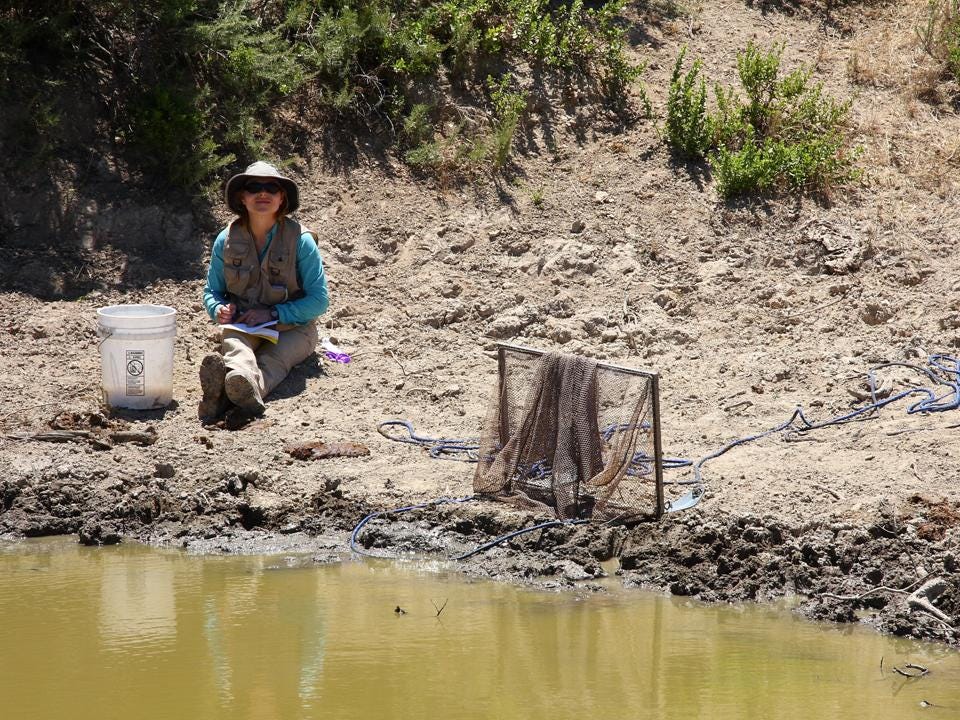
Perhaps this is a skill I’ve honed as a wildlife ecologist who has worked almost exclusively with animals on the brink of extinction. I’ve grown accustomed to pressing on, despite hopeless circumstances.
As fellow ecologist Aldo Leopold wrote in a letter to a friend:
That the situation is hopeless should not prevent us from doing our best.
Though much less often than I would like, sometimes my perseverance has paid off, and my efforts have made a difference. If I needed success to carry on, however, I would have quit long ago. Conservation success is, quite simply, too rare. But something keeps me going.
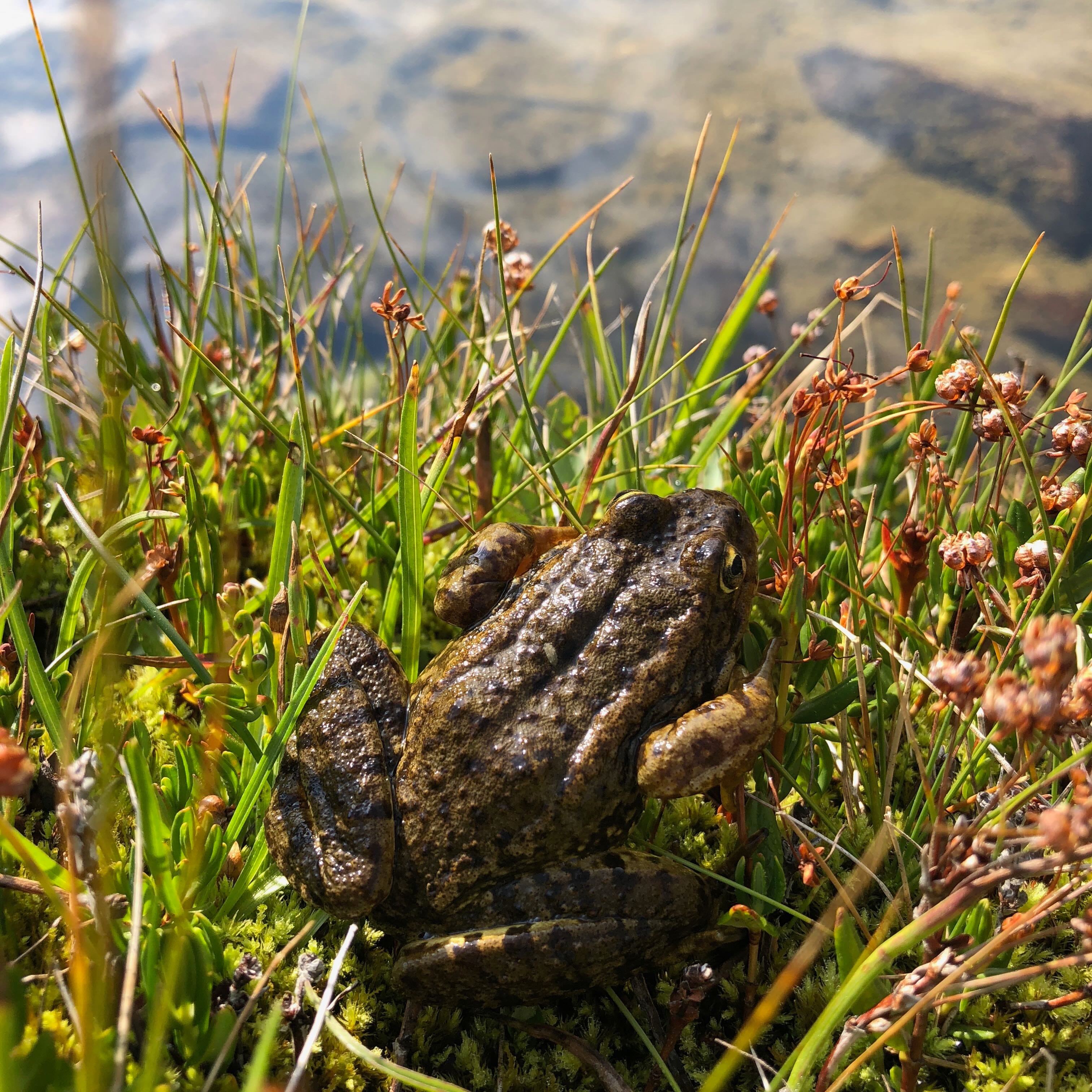
Fish guts to ecstasy
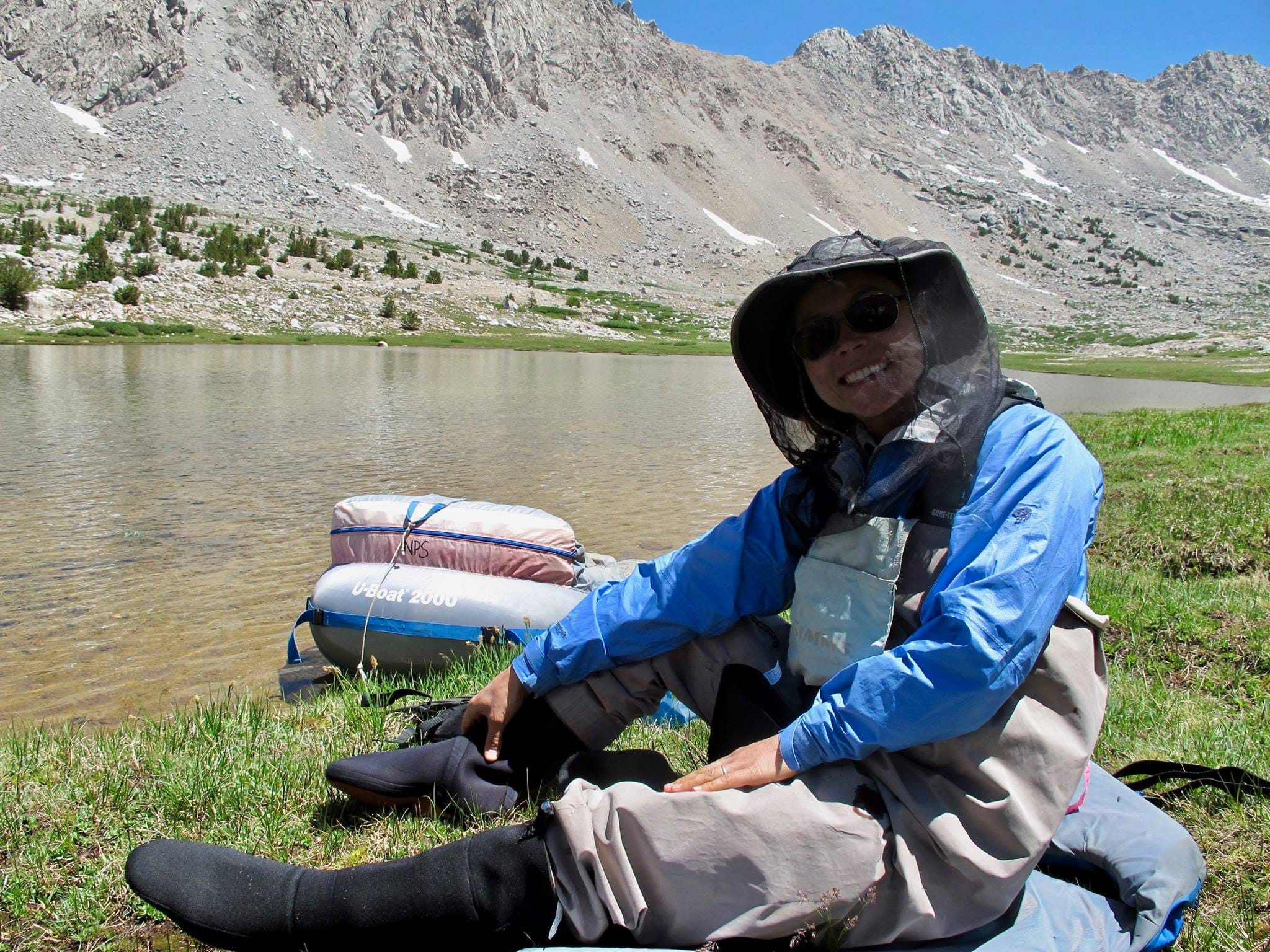
One summer day, on the 16-mile route over three mountain passes to the High Sierra basecamp where we worked, a colleague and I struck up a conversation about pain and joy.
“You know,” she huffed, gasping for oxygen in the thin air above ten thousand feet, “It’s weird…the more physically miserable I am, the happier I seem.”1
It certainly was true for me. I was deliriously happy on some of my toughest days in the wilderness—whether nearly being struck by lightning or just doing back-breaking physical work with rotting fish guts covering my hands.
A decade and a half earlier, while backpacking in the Superstition Mountains, my group encountered a sudden, unexpected snowstorm.2 In the ensuing days, we ran out of food; we lacked enough warm layers. One evening, I completely forgot how to set up camp. I stood motionless as I descended into the early stages of hypothermia.
Each day, as the situation inched ever-nearer to a scene from Lord of the Flies, my faith in humanity eroded considerably.
But after making it out—back to an unlimited supply of food and fresh water and a warm bed and as many layers as I needed to thermoregulate—I felt like a goddamn superhero. I had just survived hypothermia, for crissakes.3

Isostasy
Shortly after I defended my dissertation, a professor stopped me in the hallway to congratulate me.
“How does it feel?” he asked.
I thought for a moment. How did it feel? It felt like an enormous stone, which bore its weight down on my body and life for six and a half years, had been removed.
“Isostatic,” I replied.
He laughed. He was a geologist so he knew what I meant.
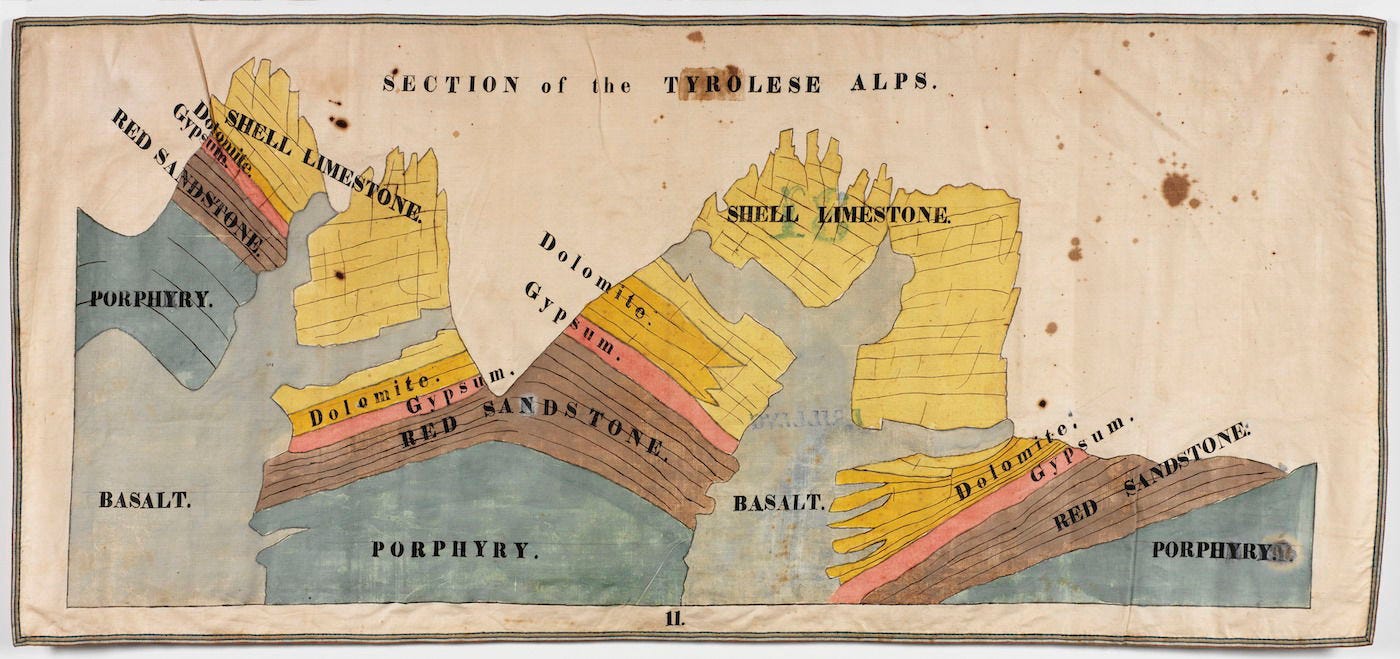
The earth appears to rebound in response to the removal of weight—a mountain, a glacier, a tectonic shift—regaining its equilibrium (isostasy). That was the best way I knew how to explain the ineffable lightness: I could literally breathe better.
I experienced the transformation that happened under that weight, but not necessarily because I handled the pressure well.
In the face of difficulty, it’s tempting to think we can optimize our way out of it, to “fix” the problem. I certainly did: in grad school4, I added two triathlons, extra lecturing jobs, and elaborately disordered eating habits to my to-do list, thinking these things would help.
They did not.5
Optimization is often not the solution. Let’s face it: aren’t challenging times hard enough? What would happen if we just let pain and difficulty do its transformational work on us? Maybe the weathering is the integrity.
Wait…what?
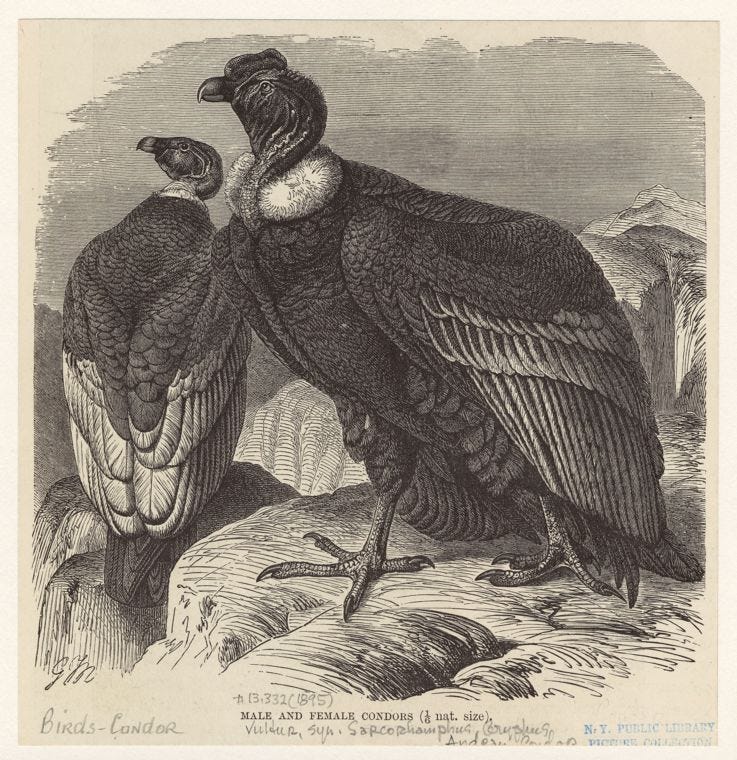
Surrendering to the weight of difficulty may sound like an excuse for inaction in times that call for anything but. Chloe Hope’s words this week in Death and Birds clarify, by way of the Andean Condor:
These magnificent beings take to the skies, and surrender to the currents they find there. They do not fight the air they’re met by, nor wish for better winds. They sense what is, and answer in accordance—and the world, thus met, holds them aloft. Their surrender is not capitulation, but an active and intelligent response to the world exactly as it is.
When the opposite is the medicine
It is possible to surrender to the weight of difficulty while also responding wisely to the shitshow. But these responses take time—something we feel we have less and less of.
It can be hard to do nothing when you feel like the alarms are going off.
On a nearly daily basis caring for my Loved One6, there is a crisis or challenge, from micro to macro. My nervous system wants to react immediately, because it perceives nearly every situation as an emergency (which is inaccurate about 98% of the time).
But when I do wait to respond (frankly, not often), the problem either fixes itself, or another wiser, more intelligent, and frequently more collaborative solution emerges.
When I was getting hypothermic, I fought the colleagues who tried to put me in my sleeping bag with Nalgene bottles of hot water and a meager ration of warm oatmeal. I was confused, so I didn’t believe them. Resting seemed ridiculous.
But it probably saved my life.
I’d love to hear: how do you perceive the relationship between difficulty, joy, and hope? Has the opposite ever been the medicine for you?
There is a whole subplot to this story about how I then waxed philosophical for about an hour because I had just done a lot of reading on stoicism. Since that time (nine years ago), broicism has put a mar on the otherwise-useful ethos of stoicism, which I would loathe to elaborate here. A quick Internet search of “broicism” will get you up to speed if you’re curious.
This experience is consistent with the mountain range’s reputation for being cursed, a place of extreme weather and, sometimes, supernatural phenomena.
Also, I was a tender 21 years old, so there’s that.
It’s important to clarify here that I do not equate the extreme privilege of pursuing a PhD program to hardship by any stretch. The baggage that accompanied me through my program—both mine and other people’s—amounted to a cartload of shit sandwiches that led to an extraordinarily challenging experience.
With the exception that the triathlon training provided a constructive outlet for my ever-present anxiety. Holy crap, so. much. anxiety.
I’ve recently been musing on the concept of surrender. It’s not exactly a concept we lift up often, confusing it as we do with defeat. Thank you for furthering this discussion. I’ll tag your post when I wrestle this idea - oops! when I surrender to this idea- in a future essay. 💗🙏
Wonderful essay, Andrea. I remember our walks into the hills when you were in your program. I can still feel the resonance of what you were going through as we made our gradual way up the hillside overlooking Ojai, and then back down. And here you are! Love the pics of you in the field and learning how hypothermia nearly did you in.